Services from United Kingdom

Services from New Zealand

Discover services in other countries
Australia
United Kingdom
United States of America
New Zealand
Portugal
Spain
Bangladesh
Brazil
Bulgaria
Canada
China
Colombia
Costa Rica
Croatia
Czech Republic
Dominican Republic
Ecuador
El Salvador
France
Germany
Greece
Hong Kong
Honduras
Hungary
India
Israel
Kuwait
Malta
Mexico
Netherlands
Norway
Pakistan
Panama
Paraguay
Peru
Philippines
Poland
Qatar
Saudi Arabia
South Korea
Switzerland
United Arab Emirates
Main Menu
RCMP Criminal Record Check
FBI Criminal Record Check
UK Apostille
Canada Apostille
New Zealand Apostille
Fingerprinting
RCMP Criminal Record Check
Canada Apostille
FBI Criminal Record Check
UK Apostille
New Zealand Apostille
FBI Apostille
Fingerprinting
Service
RCMP Criminal Record Check
Authentication and Legalization
Canada Apostille
FBI Apostille
US Apostille
FBI Criminal Record Check
UK Apostille
New Zealand Apostille
RCMP Criminal Record Check
FBI Criminal Record Check
New Zealand Apostille
UK Apostille
RCMP Criminal Record Check
Canada Apostille
FBI Apostille
FBI Criminal Record Check
US Apostille
UK Apostille
New Zealand Apostille
RCMP Criminal Record Check
Canada Apostille
FBI Apostille
FBI Criminal Record Check
US Apostille
UK Apostille
New Zealand Apostille
Authentication and Legalization
FBI Apostille
RCMP Criminal Record Check
FBI Criminal Record Check
UK Apostille
New Zealand Apostille
RCMP Criminal Record Check
Canada Apostille
FBI Apostille
FBI Criminal Record Check
US Apostille
UK Apostille
New Zealand Apostille
RCMP Criminal Record Check
Canada Apostille
US Apostille
FBI Apostille
FBI Criminal Record Check
UK Apostille
New Zealand Apostille
RCMP Criminal Record Check
Certified Translation
Police Clearance Canada
Mobile Fingerprinting
Digital Fingerprinting
Police Clearance Certificate USA
Notarization in Canada
Authentication and Legalization
Canada Apostille
Calgary Apostille
Toronto Apostille
Vancouver Apostille
Ottawa Apostille
Ontario Apostille
US Apostille
FBI Apostille
FBI Criminal Record Check
UK Apostille
New Zealand Apostille
FBI Fingerprinting
RCMP Criminal Record Check
Authentication and Legalization
Canada Apostille
FBI Criminal Record Check
UK Apostille
New Zealand Apostille
RCMP Criminal Record Check
Canada Apostille
FBI Apostille
FBI Criminal Record Check
US Apostille
UK Apostille
New Zealand Apostille
RCMP Criminal Record Check
Canada Apostille
FBI Apostille
FBI Criminal Record Check
US Apostille
UK Apostille
New Zealand Apostille
Authentication and Legalization
RCMP Criminal Record Check
Canada Apostille
US Apostille
FBI Apostille
FBI Criminal Record Check
UK Apostille
New Zealand Apostille
RCMP Criminal Record Check
Canada Apostille
US Apostille
FBI Criminal Record Check
FBI Apostille
UK Apostille
New Zealand Apostille
RCMP Criminal Record Check
Canada Apostille
US Apostille
FBI Apostille
FBI Criminal Record Check
UK Apostille
New Zealand Apostille
RCMP Criminal Record Check
Canada Apostille
FBI Apostille
FBI Criminal Record Check
US Apostille
UK Apostille
New Zealand Apostille
US Apostille
FBI Apostille
FBI Criminal Record Check
RCMP Criminal Record Check
Canada Apostille
New Zealand Apostille
UK Apostille
RCMP Criminal Record Check
Canada Apostille
FBI Apostille
FBI Criminal Record Check
US Apostille
UK Apostille
New Zealand Apostille
RCMP Criminal Record Check
Canada Apostille
US Apostille
FBI Criminal Record Check
FBI Apostille
UK Apostille
New Zealand Apostille
RCMP Criminal Record Check
Canada Apostille
US Apostille
FBI Apostille
FBI Criminal Record Check
UK Apostille
New Zealand Apostille
RCMP Criminal Record Check
Canada Apostille
FBI Apostille
FBI Criminal Record Check
US Apostille
UK Apostille
New Zealand Apostille
US Apostille
FBI Apostille
FBI Criminal Record Check
RCMP Criminal Record Check
Canada Apostille
New Zealand Apostille
UK Apostille
RCMP Criminal Record Check
Canada Apostille
US Apostille
FBI Apostille
FBI Criminal Record Check
UK Apostille
New Zealand Apostille
RCMP Criminal Record Check
Canada Apostille
FBI Criminal Record Check
US Apostille
UK Apostille
New Zealand Apostille
RCMP Criminal Record Check
Canada Apostille
US Apostille
FBI Apostille
FBI Criminal Record Check
UK Apostille
New Zealand Apostille
Authentication and Legalization
RCMP Criminal Record Check
FBI Criminal Record Check
UK Apostille
New Zealand Apostille
Authentication and Legalization
RCMP Criminal Record Check
Canada Apostille
US Apostille
FBI Criminal Record Check
FBI Apostille
UK Apostille
New Zealand Apostille
RCMP Criminal Record Check
Canada Apostille
FBI Apostille
FBI Criminal Record Check
US Apostille
UK Apostille
New Zealand Apostille
RCMP Criminal Record Check
Canada Apostille
FBI Apostille
FBI Criminal Record Check
US Apostille
UK Apostille
New Zealand Apostille
RCMP Criminal Record Check
Authentication and Legalization
Canada Apostille
US Apostille
FBI Apostille
FBI Criminal Record Check
UK Apostille
New Zealand Apostille
RCMP Criminal Record Check
Authentication and Legalization
Canada Apostille
US Apostille
FBI Criminal Record Check
UK Apostille
New Zealand Apostille
FBI Apostille
RCMP Criminal Record Check
FBI Apostille
FBI Criminal Record Check
Canada Apostille
US Apostille
UK Apostille
New Zealand Apostille
RCMP Criminal Record Check
Canada Apostille
US Apostille
FBI Criminal Record Check
FBI Apostille
UK Apostille
New Zealand Apostille
RCMP Criminal Record Check
Canada Apostille
US Apostille
FBI Apostille
FBI Criminal Record Check
UK Apostille
New Zealand Apostille
FBI Apostille
RCMP Criminal Record Check
Authentication and Legalization
Canada Apostille
FBI Criminal Record Check
UK Apostille
New Zealand Apostille
RCMP Criminal Record Check
Canada Apostille
US Apostille
FBI Apostille
FBI Criminal Record Check
UK Apostille
New Zealand Apostille
Authentication and Legalization
FBI Apostille
RCMP Criminal Record Check
FBI Criminal Record Check
UK Apostille
New Zealand Apostille
Authentication and Legalization
FBI Apostille
RCMP Criminal Record Check
Canada Apostille
FBI Criminal Record Check
UK Apostille
New Zealand Apostille
RCMP Criminal Record Check
Canada Apostille
US Apostille
FBI Apostille
FBI Criminal Record Check
UK Apostille
New Zealand Apostille
RCMP Criminal Record Check
Canada Apostille
FBI Apostille
FBI Criminal Record Check
US Apostille
UK Apostille
New Zealand Apostille
Authentication and Legalization
RCMP Criminal Record Check
FBI Criminal Record Check
UK Apostille
New Zealand Apostille
State Apostille Service
State Apostille Services
California Apostille
Texas Apostille
Florida Apostille
New York Apostille
Pennsylvania Apostille
Connecticut Apostille
Washington Apostille
Nevada Apostille
North Carolina Apostille
Michigan Apostille
Minnesota Apostille
Georgia Apostille
South Carolina Apostille
Virginia Apostille
Ohio Apostille
New Jersey Apostille
New Hampshire Apostille
West Virginia Apostille
Illinois Apostille
New Mexico Apostille
Massachusetts Apostille
Missouri Apostille
Nebraska Apostille
Mississippi Apostille
Delaware Apostille
Maryland Apostille
Iowa Apostille
Indiana Apostille
Alabama Apostille
Alaska Apostille
Arizona Apostille
Arkansas Apostille
Colorado Apostille
Idaho Apostille
Montana Apostille
Hawaii Apostille
Kansas Apostille
Kentucky Apostille
Louisiana Apostille
Maine Apostille
North Dakota Apostille
Oregon Apostille
Rhode Island Apostille
Tennessee Apostille
Utah Apostille
Vermont Apostille
Wisconsin Apostille
Oklahoma Apostille
blog-banner
Fingerprinting Services
Police Clearance Certificate
Immigration
Published on September 11, 2026 . Last updated on September 16, 2026
Sejal Jain
Reviewed byVasu Singla

Fingerprinting for Immigration Applications: Complete Guide to Visa and Residency Biometrics

Summary

Fingerprinting for immigration applications is the process of submitting your biometric data - fingerprints, a photograph, and sometimes a signature or iris scan - to a government immigration authority so they can confirm your identity and run security checks before processing your visa or residency application. It is a mandatory step in most immigration processes worldwide, from work visas and student permits to permanent residency and citizenship. This guide explains what immigration fingerprinting involves, why it is required, which visa types need it, where to get it done, and what happens after your appointment.

Moving to another country takes preparation. You gather documents. You fill out forms. You wait for letters and appointment slots. And at some point, every immigration process arrives at the same step: fingerprinting.

It does not matter whether you are applying for a work visa, a student permit, permanent residency, or citizenship. Immigration authorities in almost every country collect fingerprints as part of the process. They call it biometrics. And until that step is complete, your application cannot move forward.

Most applicants know fingerprinting is required. What they do not always know is why it matters, when it happens, what it covers, how it differs from a background check, and what mistakes cause delays. This guide answers all of those questions in a simple way.

What Is Fingerprinting for Immigration Applications?

blog-image

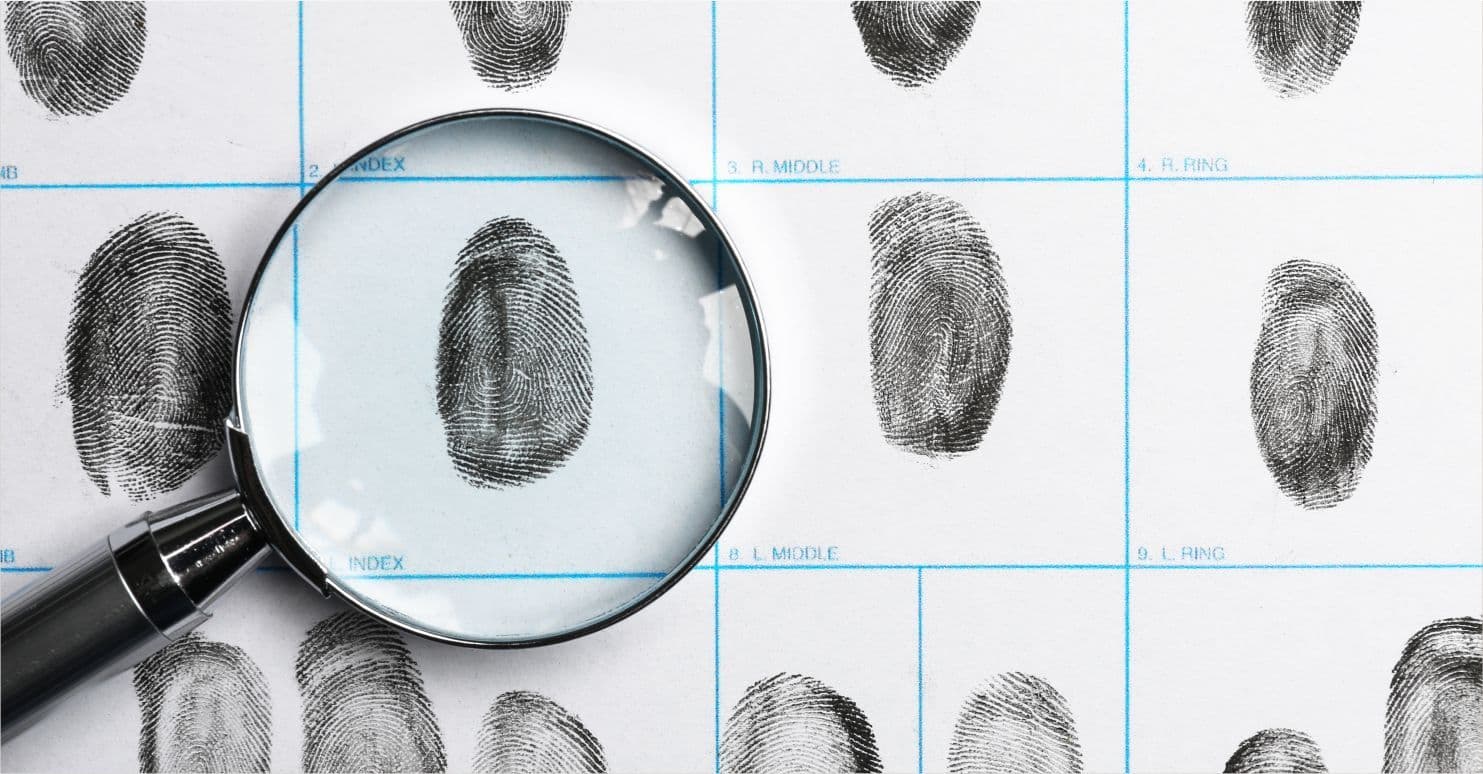
Fingerprinting for immigration applications is the collection of your biometric data by a government immigration authority as part of your visa or residency process.

When you give fingerprints for immigration, you are not just having your prints taken. You are providing the government with a biometric record that confirms your identity and links all of your immigration history - past visa applications, entry records, and status changes - to one verified person.

It is different from the fingerprinting done for employment background checks or police clearance certificates. Those produce a report about your criminal history. Immigration fingerprinting creates or updates a biometric record held by the immigration authority and triggers a parallel security screening process.

The result of immigration fingerprinting is not a document you receive. It is a verified biometric identity record that supports the immigration authority's decision on your application.

Fingerprinting vs Biometrics: Are They the Same Thing?

This is one of the most searched questions in immigration. The short answer is: fingerprinting is part of biometrics, but biometrics includes more than fingerprints.

Biometrics is the broader term. It refers to the collection of measurable physical characteristics used to confirm a person's identity. In immigration, biometrics typically includes:

Biometric TypeWhat It IsCollected For
FingerprintsRidge patterns from all 10 fingersMost visa and residency applications
PhotographDigital facial imageAll immigration applications
SignatureDigital signature captureSome countries and visa types
Iris scanPattern of the coloured part of the eyeHigh-security or specific border programs

When an immigration authority asks you to attend a biometric appointment, they usually mean fingerprints and a photograph at minimum. When they specifically say fingerprints, they mean the ridge pattern collection - which may be taken digitally using a scanner or, in specific circumstances, on an ink card.

For most immigration applications, the two terms are used interchangeably in practice. But understanding the distinction helps when you see different requirements listed in different countries' instructions.

Why Do Immigration Authorities Require Fingerprints?

blog-image

Immigration authorities do not collect fingerprints because it is convenient. They collect them because a name and a photograph are not enough to confirm who someone is across borders, over time, and across multiple applications.

Here is exactly why fingerprinting is required.

  • Identity verification: Your fingerprints confirm that you are the person you claim to be. They cannot be changed or transferred. Every time you interact with an immigration authority - at a visa application, at a port of entry, at a renewal - your fingerprints link the interaction to the same verified identity.
  • Security screening: Once your fingerprints are on file, immigration authorities can check them against national and international security watchlists. This includes databases shared between governments - such as the Five Eyes countries (US, UK, Canada, Australia, New Zealand) - which cross-reference immigration records for known security risks.
  • Preventing immigration fraud: Fingerprints make it impossible to use a different identity for a new application after a previous one was refused. Someone who was denied a visa under one name cannot simply apply again under another. Their fingerprints link both applications.
  • Linking immigration history: Every previous visa application, entry, and exit linked to your fingerprints builds a complete picture of your immigration history. This allows the authority to identify overstays, repeated applications, and status changes across years and borders.
  • National security: Governments are legally required to screen immigration applicants against security records. Fingerprints are the most reliable method for that screening to work accurately across large volumes of applications.

Which Visa and Immigration Applications Require Fingerprints?

Fingerprinting for Work Visas

Most countries require biometric fingerprinting for work visa applicants. This applies whether you are applying for a skilled worker visa, a temporary work permit, or a sponsored employment visa. In the US, USCIS collects fingerprints for employment-based green cards and adjustment of status applications. In Canada, biometrics are required for most work permit applications from visa-required countries.

Also Read: Fingerprinting for Overseas Employment - how employment fingerprinting works separately from immigration fingerprinting.

Fingerprinting for Permanent Residency

Permanent residency applications almost universally require biometric fingerprinting. In the US, applicants for a green card through USCIS attend an Application Support Center (ASC) appointment for fingerprinting. In Canada, PR applicants from eligible countries provide biometrics as part of their Express Entry or provincial nominee process.

Fingerprinting for Student Visas

International students applying for visas in the UK, US, Canada, Australia, and the EU are required to provide biometrics. UK student visa applicants attend a UK Visa Application Centre appointment. US student visa (F-1) applicants have fingerprints taken at the US embassy or consulate during their visa interview.

Fingerprinting for Family Sponsorship

Family sponsorship and spousal visa applications require biometrics from both the applicant and, in some cases, the sponsor. Processing a spousal visa in the US, Canada, or Australia will include a biometric appointment as a standard step.

Fingerprinting for Citizenship Applications

Naturalisation and citizenship applications require fingerprinting as a mandatory step. In the US, USCIS requires fingerprinting for all N-400 naturalisation applicants. In Canada, biometrics are required before citizenship decisions are made.

Fingerprinting for Residence Permits

Short and long-term residence permits across the EU, UAE, Saudi Arabia, and most other destination countries require biometric fingerprinting. EU Biometric Residence Permits (BRPs) in the UK include fingerprints stored on a chip. UAE residency applicants provide fingerprints at government biometric centres as part of the Emirates ID enrollment process.

Which Countries Require Immigration Fingerprinting?

United States

USCIS collects fingerprints for green cards, naturalisation, adjustment of status, and employment authorisation applications. Applicants attend an Application Support Center (ASC) appointment after receiving an ASC notice. The FBI runs the criminal history check using those fingerprints. Fingerprints are digitally captured - ink cards are not used for USCIS immigration purposes.

Canada

Canada requires biometrics for most immigration applicants from visa-required countries, including temporary residents, work and study permit applicants, and permanent residency applicants. Fingerprints and a photograph are collected at a Visa Application Centre (VAC) or designated Service Canada location. Biometrics are valid for 10 years, meaning applicants who gave biometrics within the last 10 years do not need to give them again for a new application.

United Kingdom

The UK collects biometrics - fingerprints and a facial photograph - from most overseas visa and settlement applicants. Appointments are held at UK Visa Application Centres worldwide. Applicants who are granted a visa for more than 6 months also receive a Biometric Residence Permit (BRP) which stores their fingerprints electronically.

Australia

Australia collects biometrics from visa applicants in certain nationalities and visa types. The Department of Home Affairs may request biometrics at any point in the visa process. Fingerprints are collected at Australian Visa Application Centres or Department offices.

UAE

The UAE collects fingerprints from all residency visa applicants as part of the Emirates ID enrollment process managed by the Federal Authority for Identity, Citizenship, Customs and Port Security (ICP). All 10 fingers are scanned digitally. This is a mandatory step before a residence visa is stamped or activated.

New Zealand

Immigration New Zealand collects biometrics from applicants for certain visas, including resident visas and long-term work visas. Fingerprints and photographs are taken at authorised collection points worldwide.

When Do You Need to Give Fingerprints During the Immigration Process?

Immigration fingerprinting does not happen at the start or the end. It sits in the middle of the process, after the application is submitted and before the final decision is made.

Here is the typical sequence:

  • Step 1: You submit your immigration application online or by post.
  • Step 2: The immigration authority reviews your application.
  • Step 3:  You receive a Biometric Instruction Letter or ASC notice.
  • Step 4:  You book your fingerprint appointment at the designated centre.
  • Step 5:  You attend the appointment and provide fingerprints and a photograph.
  • Step 6: The authority runs security and background screening using your prints.
  • Step 7: A decision is made on your application.

The critical point: your application cannot proceed to a decision until the fingerprint step is complete. Missing your appointment or delaying it directly delays your visa decision.

Some countries -  like Canada - allow biometrics to be given at any point within 30 days of the instruction letter being issued. Others set a fixed appointment date. Always read the specific instructions in your biometric notice carefully.

Where Can You Get Fingerprints Taken for an Immigration Application?

blog-image

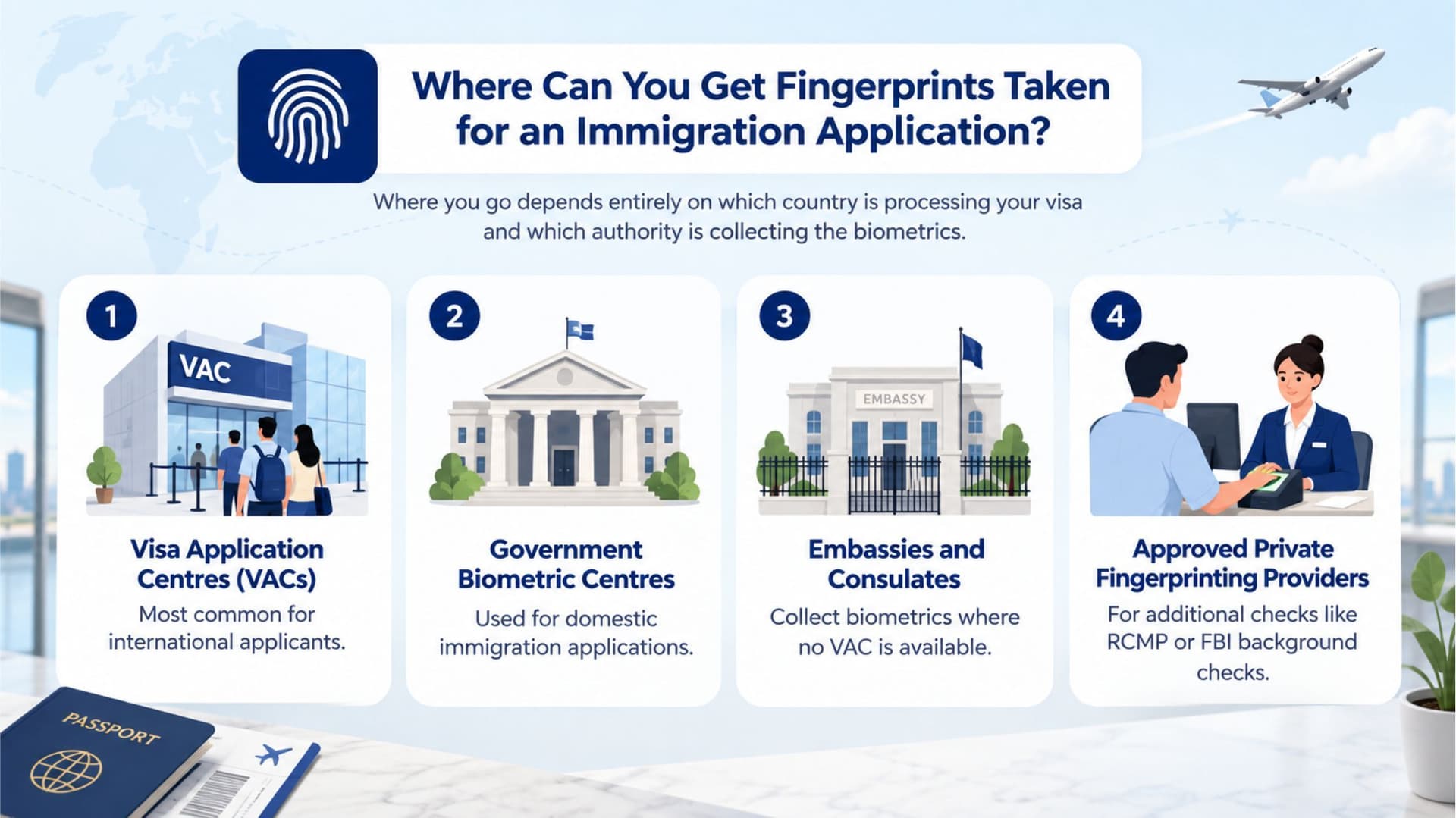
Where you go depends entirely on which country is processing your visa and which authority is collecting the biometrics.

  1. Visa Application Centres (VACs) are the most common collection point for international applicants. These are third-party centres contracted by governments to collect biometrics on their behalf. VFS Global and TLScontact operate the majority of these centres worldwide.
  2. Government biometric centres are used for domestic immigration applications. USCIS Application Support Centers handle US immigration fingerprinting. Service Canada locations handle some Canadian biometric collections. UAE ICP centres handle Emirates ID enrollment.
  3. Embassies and consulates collect biometrics for applicants in countries where no VAC is available. US visa applicants always attend the US embassy or consulate for biometrics, combined with their visa interview.
  4. Approved private fingerprinting providers handle cases where applicants need fingerprints for parallel processes - such as RCMP or FBI background checks that run alongside the immigration process. For these, providers like Globeia help international applicants complete ink card fingerprinting without returning to their home country.

Can You Complete Immigration Fingerprinting Outside Your Home Country?

Yes - and most immigration applicants do exactly this. If you are applying for a Canadian visa while living in Spain, you attend a VAC in Spain. If you are applying for a UK visa while living in the UAE, you attend a UK VAC in the UAE. Immigration biometric collection is specifically designed to happen in the applicant's current country of residence, not their home country.

What changes when you are abroad is the parallel fingerprinting requirement that often runs alongside the immigration process. Many immigration applications require:

  1. Immigration biometrics - collected at the VAC in your current country
  2. Criminal background check fingerprints - collected separately for an FBI or RCMP check, using an ink card, for submission to your home country's national authority

These are two completely separate processes. The immigration authority collects biometrics. A separate provider like Globeia handles the ink card fingerprinting for your FBI or RCMP criminal background check.

Fingerprinting for Work Visas: What Employers Often Do Not Explain

When your employer sponsors your work visa, they handle the paperwork for the sponsorship side. What they rarely explain is that the immigration fingerprinting and the employment background check fingerprinting are two completely separate processes - and both are your responsibility.

Immigration fingerprinting - done at the VAC or government centre - is part of the visa application process managed by the immigration authority.

Employment background check fingerprinting - done through a provider like Globeia - is part of the hiring process and produces an FBI or RCMP criminal history report that the employer or regulatory body requires.

Missing the employment check because you assumed the immigration fingerprinting covered it is one of the most common and most avoidable errors in international hiring.

 Immigration FingerprintingEmployment Background Check Fingerprinting
PurposeVerify identity and run immigration security screeningProduce a criminal history report for an employer or licensing body
Collected byGovernment VAC or embassyApproved fingerprinting provider
ResultBiometric record held by immigration authorityOfficial criminal history report (FBI, RCMP, etc.)
FormatDigital scanInk card for international use
You receive a documentNoYes - the background check report

What Happens After Your Immigration Fingerprint Appointment?

Attending your biometric appointment is not the end of the process. It is the beginning of the background screening stage. After your fingerprints are collected, the immigration authority runs several checks in parallel.

  • Identity verification. Your fingerprints are matched against the biometric record created at your first immigration interaction. If you have applied before, the system confirms whether the prints match the identity on file.
  • Criminal history screening. Your prints are checked against national criminal databases and, in some cases, international databases shared between governments.
  • Security watchlist screening. Your biometric data is checked against security watchlists maintained by national intelligence and border agencies.
  • Immigration history review. The authority checks whether your fingerprints are linked to any previous immigration violations - refusals, overstays, deportations, or applications made under a different identity.

Once these checks are complete, the immigration officer can make a final decision. How long this takes depends on the country, the visa type, and the complexity of your application. Some decisions come within days. Others take weeks or months.

Do Immigration Fingerprints Replace a Police Clearance Certificate?

No. This is one of the most important distinctions to understand.

Immigration fingerprinting is conducted by the immigration authority to run their own internal security and criminal screening. You do not receive a document. The result stays inside the immigration system.

A police clearance certificate is a separate, official document issued by a national authority - such as the FBI Identity History Summary or the RCMP Criminal Record Check - based on fingerprint submission. You receive this document and submit it yourself to the authority requesting it.

Some immigration applications require both. You attend the VAC for immigration biometrics AND you obtain a police clearance certificate from your home country separately to include in your application package.

The police clearance certificate is a document you control and submit. The immigration biometric result is a check the government runs for itself.

Also Read: Fingerprint Background Check vs Name-Based Check - understanding what a fingerprint background check reveals and how it works.

Common Immigration Fingerprinting Mistakes That Delay Visa Applications

These mistakes cause the most avoidable delays in immigration applications.

  • Missing or rescheduling the biometric appointment

Your application is paused until biometrics are complete. Missed appointments add weeks to the timeline.

  • Arriving without the correct documents

Most VACs require your passport and biometric instruction letter at minimum. Some require additional documents. Arriving without them means the appointment cannot proceed.

  • Booking at the wrong location

VAC locations are country-specific and sometimes city-specific. Booking an appointment in the wrong city or wrong country for your visa type means the biometrics cannot be accepted.

  • Assuming the immigration biometrics cover the criminal background check

They do not. If your application also requires a police clearance certificate, that is a separate process that must be completed in parallel.

  • Giving biometrics before the instruction letter arrives

Some applicants try to book appointments before receiving the biometric instruction. Biometrics given without a valid instruction letter linked to the application are not accepted.

  • Damaged or unusable fingerprints

Heavily worn, scarred, or temporarily damaged fingertips can cause collection problems. Informing the VAC in advance allows them to note this in your record and follow an alternative procedure.

  • Waiting too long after receiving the instruction letter

Most biometric instruction letters have a deadline - often 30 to 90 days - after which the instruction expires, and a new one must be issued, restarting that stage of the process.

Can Immigration Authorities Reuse Your Previous Fingerprints?

It depends on the country and how long ago you previously gave biometrics.

Canada has the most applicant-friendly policy. Biometrics given to IRCC are valid for 10 years. If you gave biometrics within that window for a previous Canadian application, you do not need to give them again for a new application - even for a different visa type.

United States (USCIS) retains fingerprints for 15 months for most application types. If a decision is not made within that window, new fingerprints may be required.

United Kingdom retains biometrics for the duration of leave and for a period after. New applications after a significant gap typically require fresh biometric collection.

UAE retains biometric data linked to the Emirates ID, which is valid for the residency period. Renewals require fresh biometric enrollment.

The general rule: if you are unsure whether previous biometrics are still valid for your new application, check the specific instructions from the authority - do not assume reuse is allowed.

What Documents Do You Need for Your Immigration Fingerprint Appointment?

Requirements vary by country and visa type, but these documents are standard across most biometric appointments.

DocumentWhy It Is Required
Valid passportPrimary identity verification - must match application exactly
Biometric instruction letter / ASC noticeConfirms the appointment is linked to your specific application
Application reference numberLinks the biometrics to the correct file
Government-issued photo IDSecondary identity confirmation at some centres
Appointment confirmationProof of booked slot at the VAC or centre
Supporting documents (if requested)Some visa types require additional documents at the biometric stage

Always read the instruction letter carefully. It specifies exactly what to bring to your specific appointment. Arriving with the wrong documents or an expired instruction letter means the appointment cannot proceed.

How Globeia Supports Immigration Applicants Worldwide

blog-image

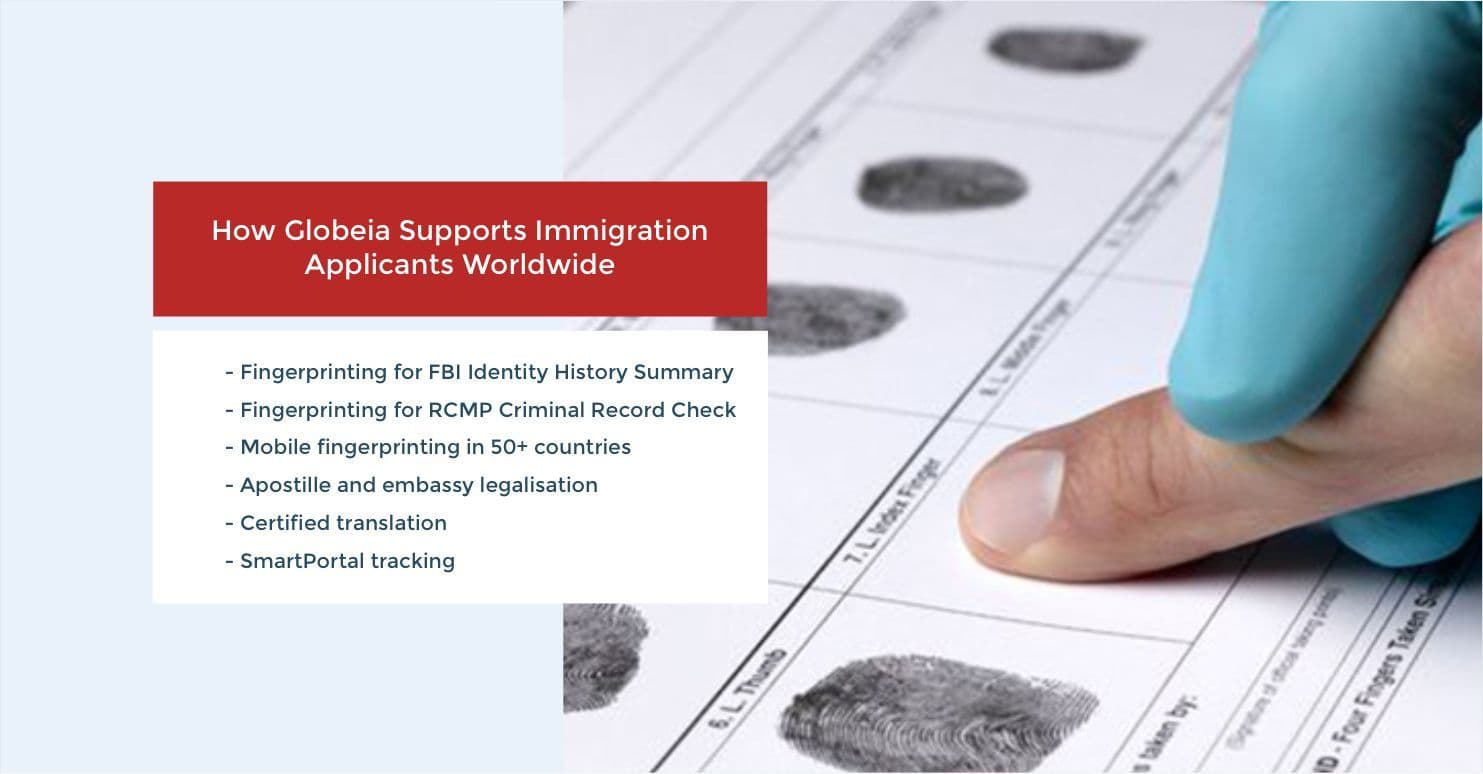
Globeia does not collect immigration biometrics - that is done exclusively by government-authorised centres. What Globeia handles is the parallel fingerprinting process that runs alongside many immigration applications: the FBI or RCMP criminal background check that immigration authorities and licensing bodies require you to obtain and submit separately. For immigration applicants, Globeia provides:

Fingerprinting for FBI Identity History Summary

US citizens and permanent residents applying for immigration in another country need an FBI background check. Results return in 1 to 3 business days after submission. Start your FBI check with Globeia.

Fingerprinting for RCMP Criminal Record Check

Canadian citizens applying for immigration abroad need an RCMP criminal record check. Globeia handles RCMP fingerprinting and submission through their RCMP-accredited Canadian workflow. Start your RCMP check with Globeia.

Mobile fingerprinting in 50+ countries

Globeia's trained associates travel to your home, office, or hotel. If you are already living abroad and need ink card fingerprinting for your FBI or RCMP check, you do not need to return home or find a local police station that accepts the correct format.

Apostille and embassy legalisation

Once your FBI or RCMP criminal record check is complete, Globeia coordinates apostille authentication for Hague Convention countries or embassy legalisation for non-Hague countries - whichever your immigration application requires.

Certified translation

If your immigration authority requires your background check translated into another language, Globeia provides certified translation as part of the same application workflow.

SmartPortal tracking

Every Globeia application is tracked in real time through their SmartPortal. From fingerprint collection to result delivery to apostille completion, you always know exactly where your documents are.

Ready to start your parallel fingerprinting process? Book your appointment with Globeia and handle your RCMP or FBI background check, apostille, and translation from one platform - without interrupting your immigration application timeline.

Conclusion

Immigration biometrics and criminal background check fingerprinting are two separate steps. While immigration authorities handle your biometrics, you must arrange FBI or RCMP fingerprint checks separately and submit the results with your application.

Globeia helps simplify the background check process with fingerprinting in 50+ countries, FBI and RCMP checks, apostille, legalisation, and certified translation - all in one place.

Start your immigration background check process with Globeia today!

FAQ

What is fingerprinting for immigration applications?

It is the collection of your biometric data - primarily fingerprints and a photograph - by a government immigration authority as part of your visa or residency application. The biometrics confirm your identity and trigger security screening before a decision is made on your application.

Is fingerprinting the same as immigration biometrics?

Fingerprinting is part of biometrics. Immigration biometrics typically includes fingerprints, a facial photograph, and sometimes a signature. When immigration authorities use the word biometrics, they usually mean the fingerprint and photograph collection appointment.

Why does immigration require fingerprints?

To confirm your identity with certainty, check your biometrics against security watchlists, prevent immigration fraud, and link your current application to your full immigration history.

Do all visa applications require fingerprinting?

Not all. Requirements depend on the destination country, the visa type, and the applicant's nationality. Most long-term visa applications - work, student, residency, and citizenship do require biometrics. Short-stay tourist visas for some nationalities may not.

Can I complete immigration fingerprinting outside my home country?

Yes. Immigration biometric collection is designed to happen in your current country of residence, at a VAC or authorised centre near you.

Is immigration fingerprinting the same as a police clearance certificate?

No. Immigration fingerprinting creates a biometric identity record held by the immigration authority. A police clearance certificate is a separate official document that you obtain and submit yourself. Many applications require both.

Can fingerprinting delay my visa application?

Yes. Your application cannot proceed to a decision until biometrics are complete. Missing your appointment, arriving without the correct documents, or booking at the wrong location all cause direct delays.

What documents do I need for my biometric appointment?

At minimum: your valid passport, your biometric instruction letter, and your application reference number. Check your instruction letter for any additional requirements specific to your visa type.

Do immigration fingerprints expire?

The validity period depends on the country. Canada's biometrics are valid for 10 years. USCIS retains prints for 15 months. Other countries set their own retention periods. Always check with the specific authority.

Do work visa applicants need fingerprinting?

Yes. Most work visa applications require immigration biometrics. Work visa applicants may also need a separate FBI or RCMP criminal background check - which is a different process handled by a provider like Globeia, not the immigration authority.
Get started with Globeia
Recommended by Globeia
Globeia Offices
Canada
Canada
1185 Victoria Park Avenue, Scarborough, ON M4B 2K5, Canada
USA
USA
1901 Pennsylvania Ave NW, Unit 801, Washington, DC, 20006-3405
Office Location
Send
Globeia Logo
Globeia is your simple and secure background checks and identity solution
©2026 Globeia.com. All rights reserved.