One residence file. Many details to handle.
- First attemptFinding fingerprinting in San José
Gordon asks around in Escazú and finds someone to roll his prints, but nobody explains which form the RCMP needs.
- Card returnedForm and print problems
His card is not the official C-216C form and two impressions are unreadable. He must start again and post a new set to Canada.
- At the RCMPChasing updates
Gordon manages the courier tracking, the consent paperwork and the emails himself while the RCMP processes his request.
- ApostilleBack to Canada
The result arrives, but the DGME needs a Global Affairs Canada apostille, so the original has to travel to Canada again.
- TranslationThe wrong translator
His first translation is refused. The file needs a sworn Spanish translation by an official translator before he can file.
One visit in Escazú, one connected process.
- Day 1Fingerprints collected correctly
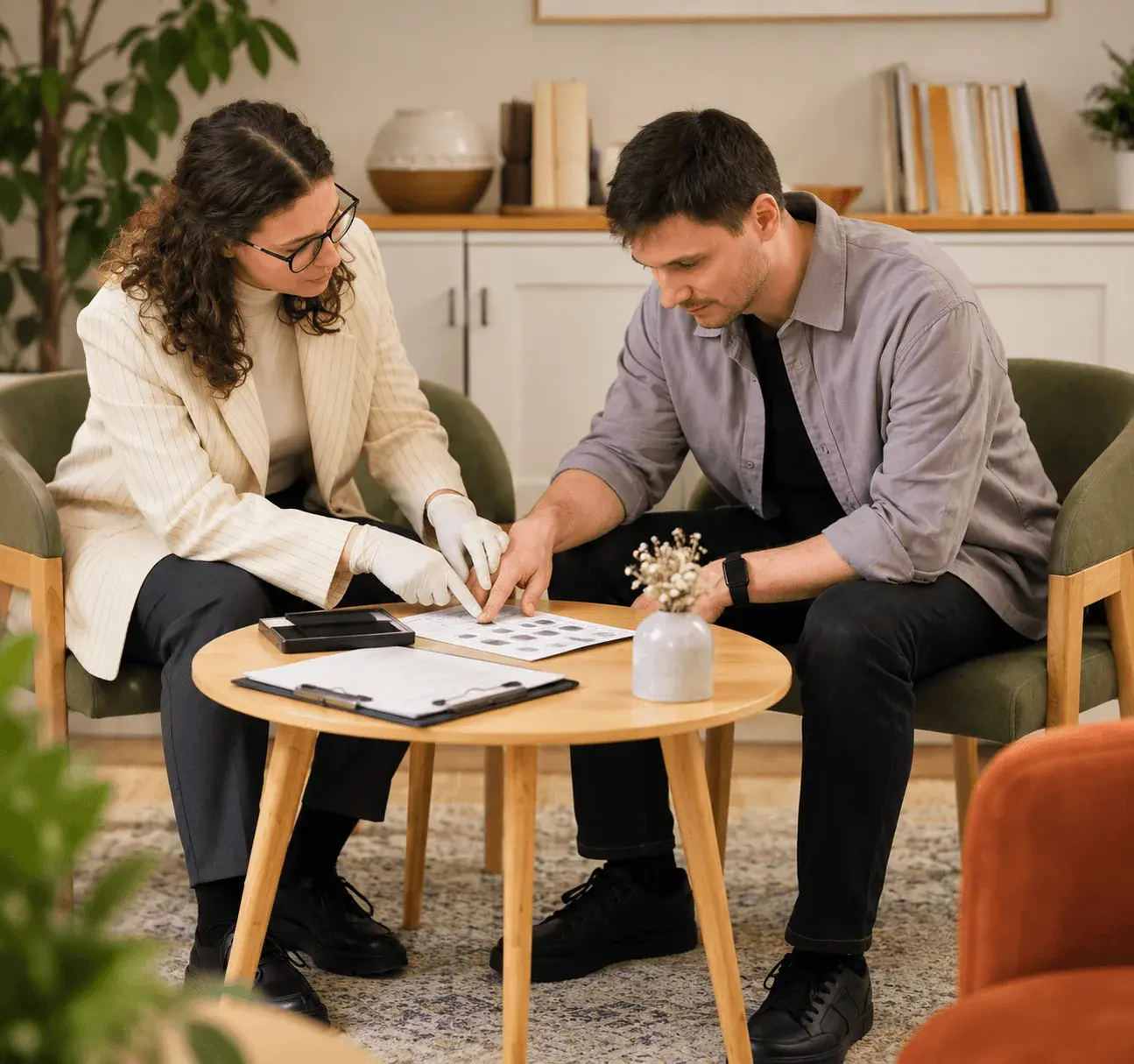
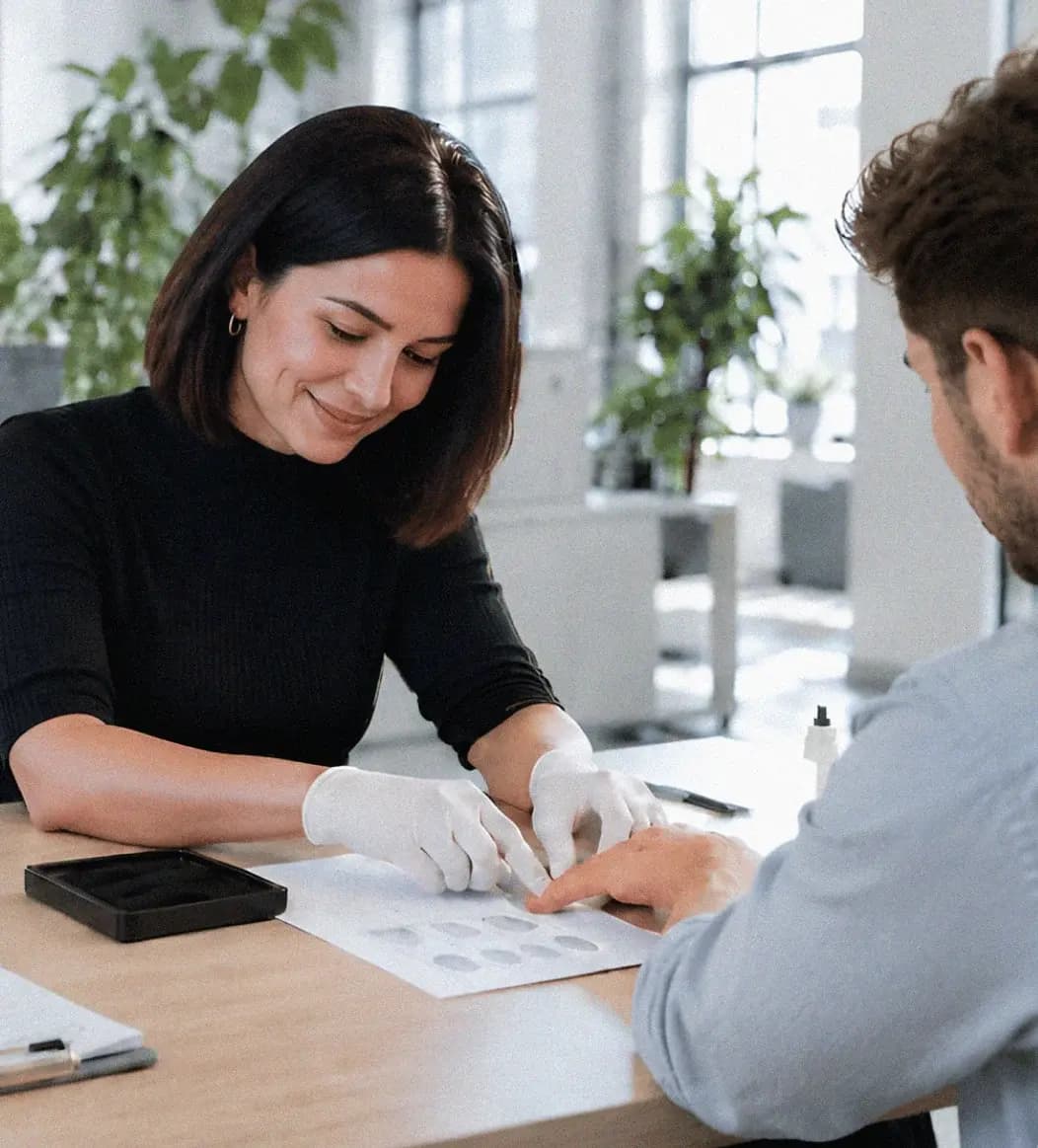
A trained Globeia associate visits Gordon's home in Escazú, checks two valid government-issued IDs and completes the official C-216C form with him, in ink, reviewing every impression.
- SubmissionCards sent to Toronto
The cards and the CCRTIS-approved consent form go to Globeia Incorporated in Toronto, which submits his fingerprints to the RCMP.
- At the RCMPProgress tracked in one place
Gordon gets updates from one Globeia team instead of managing couriers and emails alone.
- Apostille and translationResult issued, then authenticated
The RCMP issues his result. Globeia arranges the Global Affairs Canada apostille, then the sworn Spanish translation, so nothing is done twice.
- Ready to fileReady for the DGME
With one reference and one organised file, Gordon can file his pensionado residence with the Directorate General of Migration (DGME).